UTUNE
AI behaviour recording and feedback integrated with sensor language models
Role
design engineer
Industry
Health & Fitness
Duration
3 months
Stage 1. Project summary
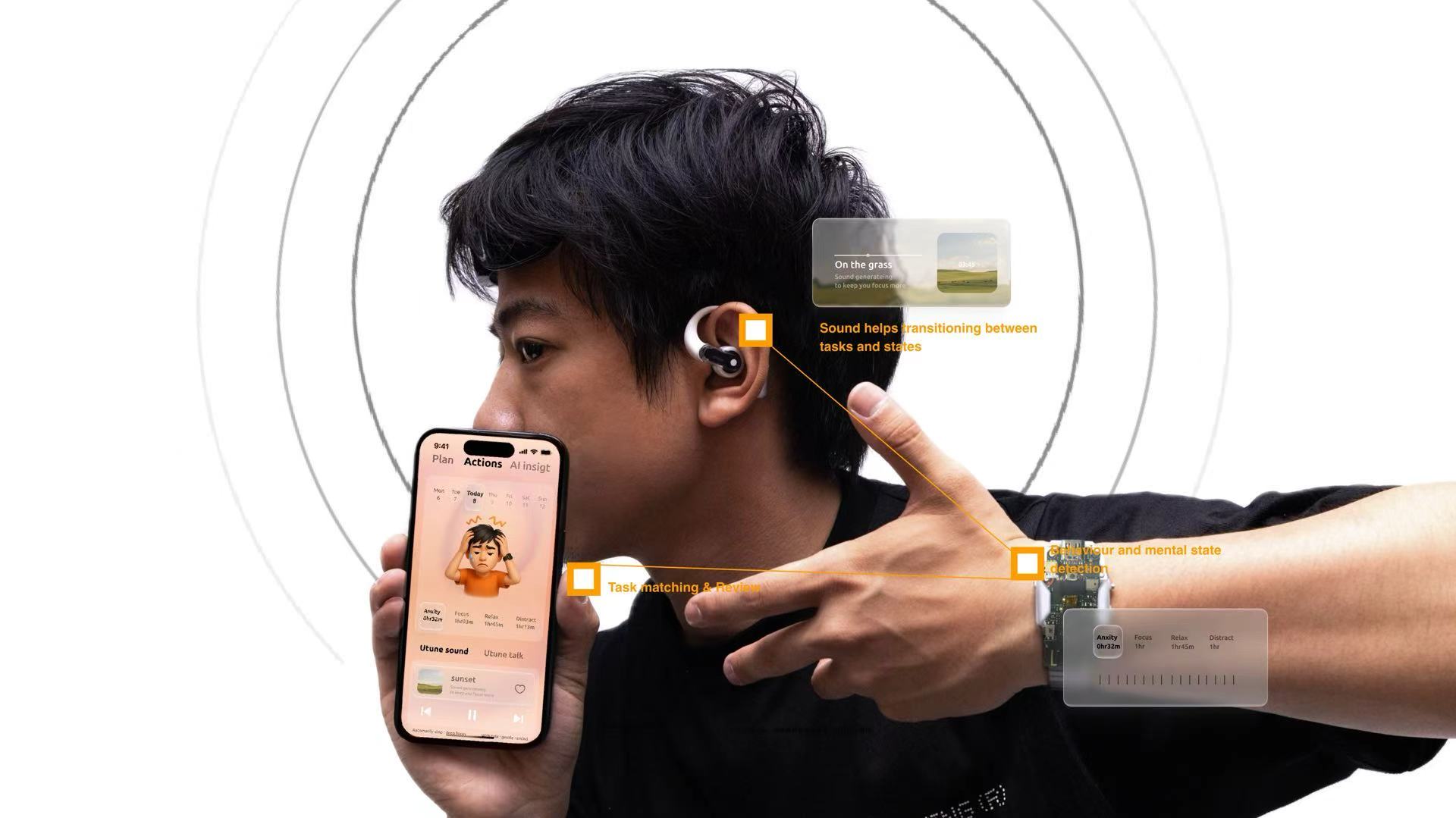
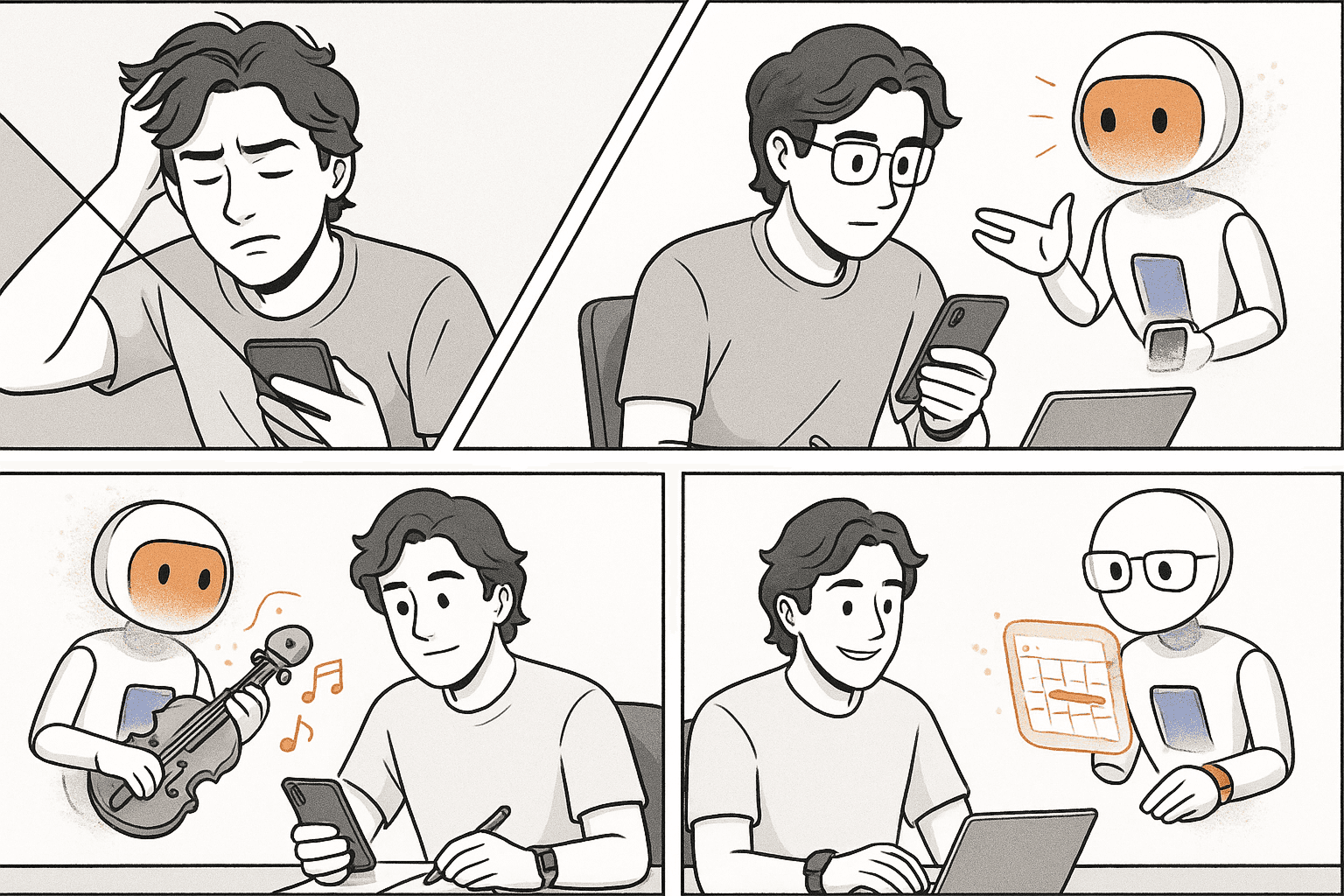
I hope that in the future, AI will not only become an efficiency tool that enhances people's productivity, but also serve as a personal assistant to help individuals improve themselves, thereby increasing their “invisible” work efficiency.
我希望在未来AI除了变成增加人们工作效率的效率工具以外,同时能够作为管家角色帮助人们变得更好,增加人们的“隐形”工作效率。
Stage 2. Background research
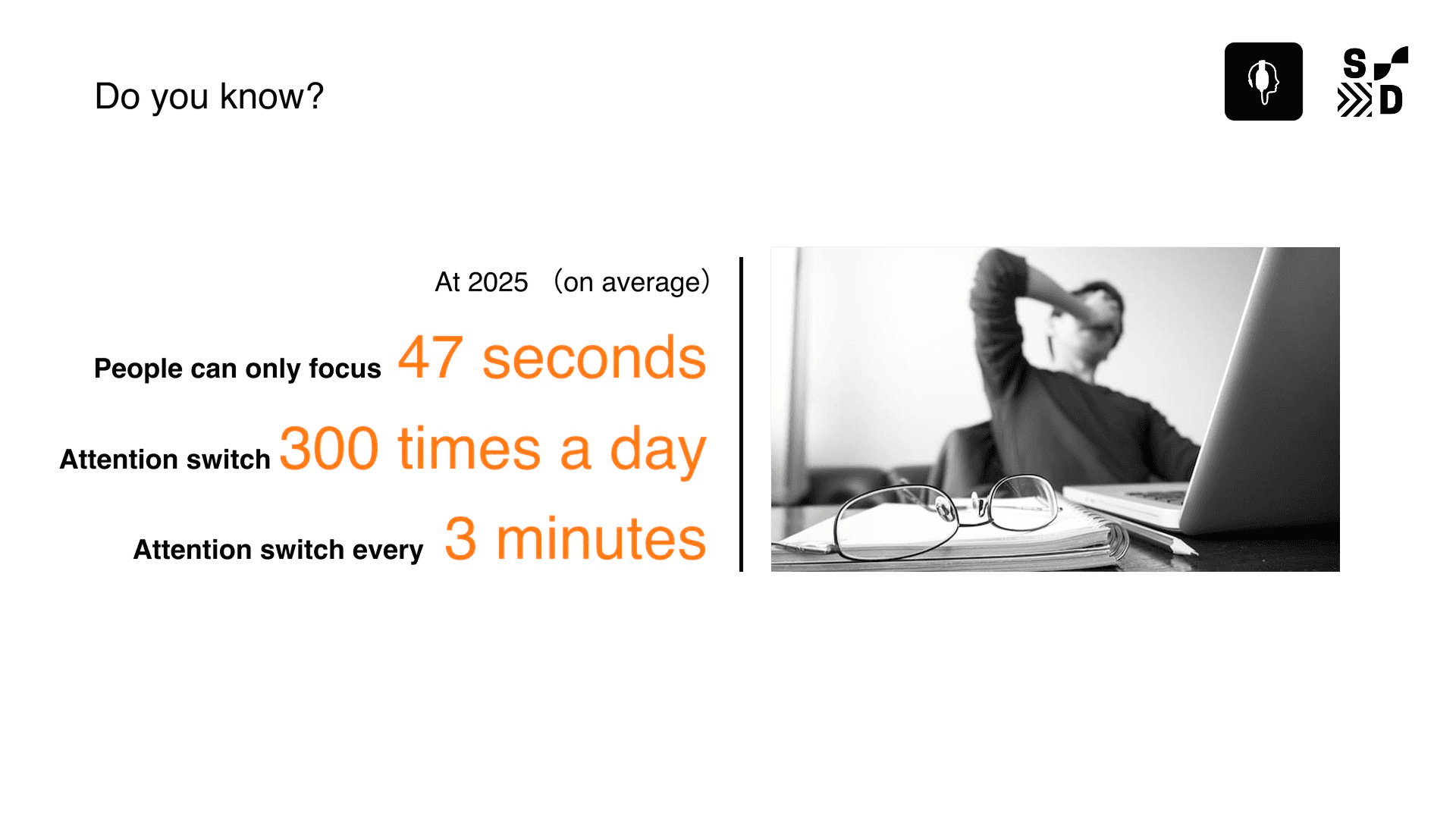
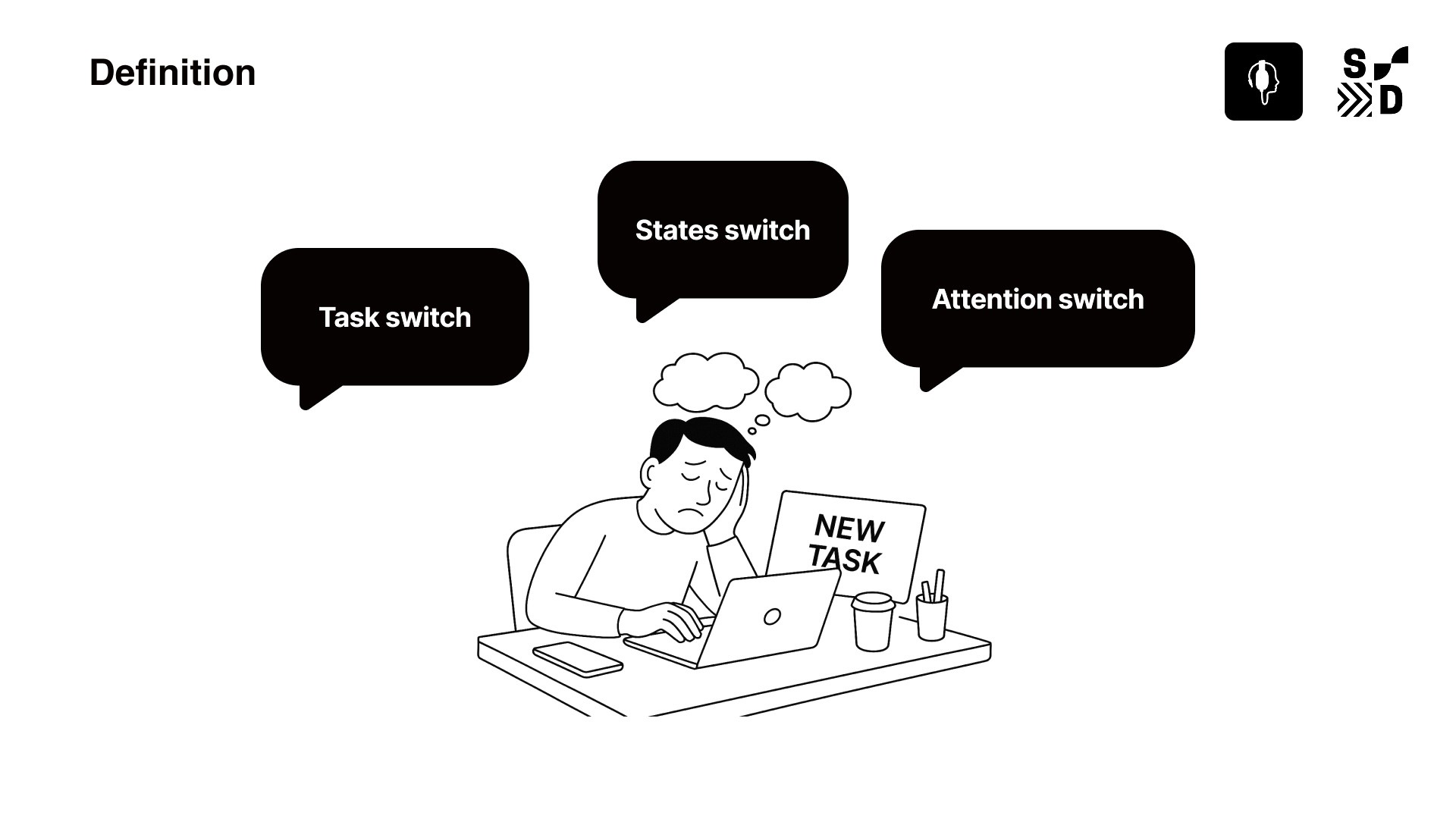
Beyond serving as efficiency tools to enhance productivity, AI also expands the range of tasks people undertake. Young people increasingly struggle to adapt to new work rhythms and lifestyles, particularly those with ADHD. Their attention shifts between different daily tasks 300 to 1,000 times, causing significant disruption to their work efficiency.
AI在作为效率工具提高人们的效率以外,也会增加人们的任务类型,年轻人越来越难以适应新的工作节奏和生活,尤其是ADHD人群,注意力会在每天不同的任务中切换300-1000次,对自己的工作效率产生极大困扰。
 |  |
Stage 3. Problem summary
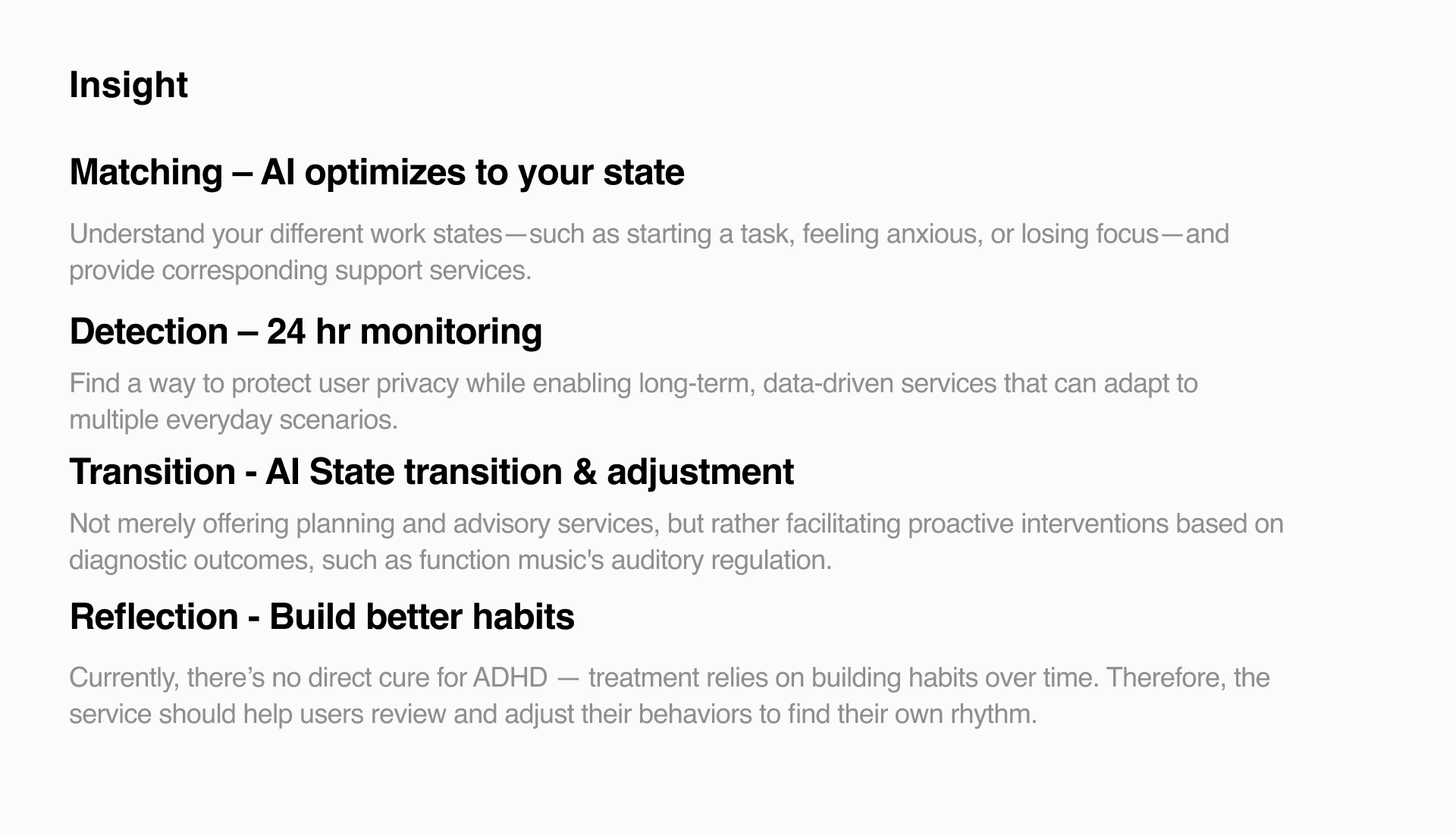
1.After conducting expert interviews, we found that ADHD and similar attention-related issues currently have no quick treatment methods—users can only improve through developing good personal habits.
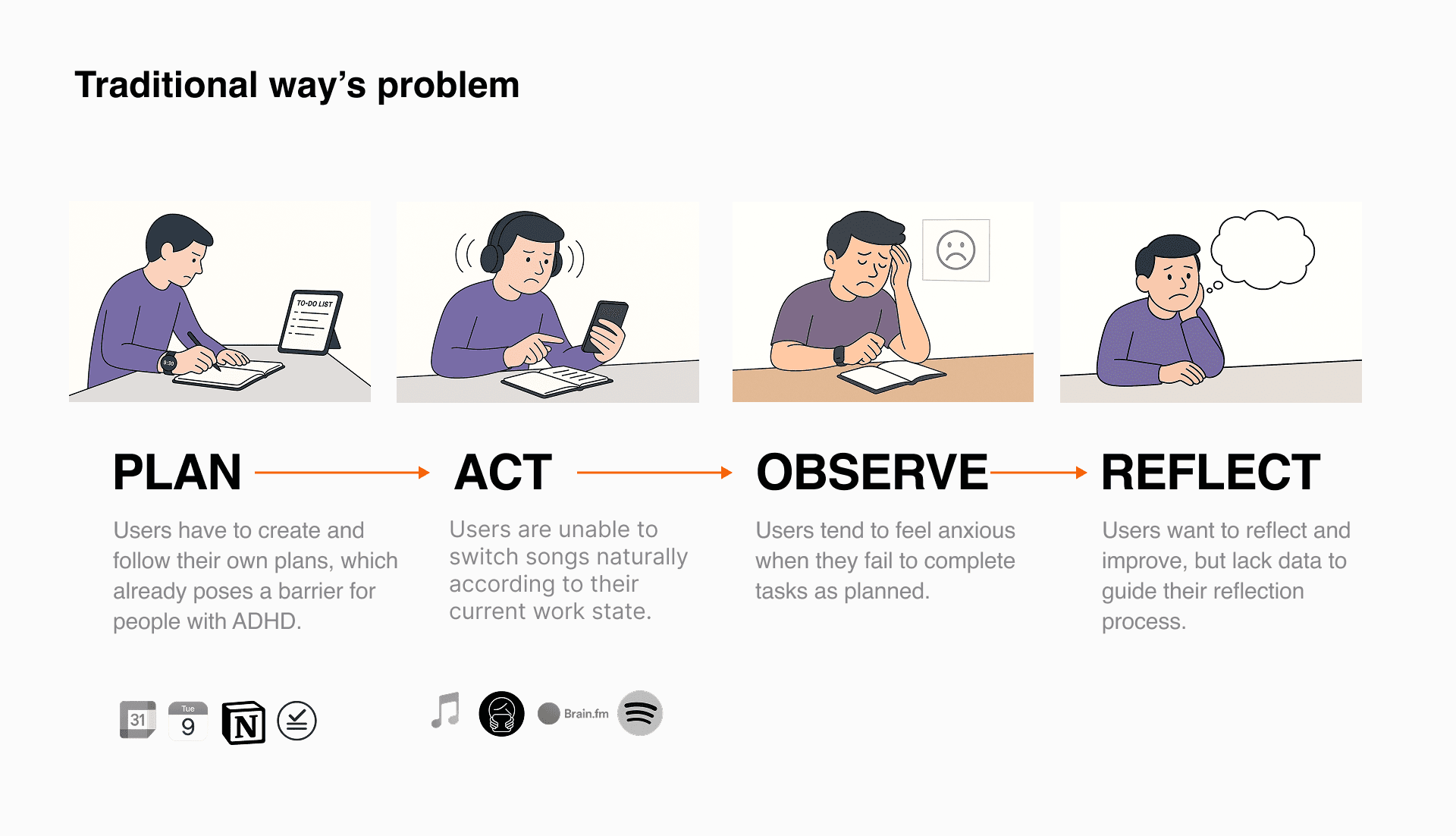
2.Existing focus-assisting apps fall into two types: record-based and music-immersion-based. The first type interrupts the flow of focus, while the second fails to adapt to users’ changing work states, making it difficult to switch music in time.
1.结合专家访谈后发现,ADHD等相关注意力缺失问题暂时没有快速治疗的手段,只能让用户形成自己的良好习惯。
2.现有的辅助专注类软件分为两种,一种是记录式的,一种是音乐沉浸式专注,但是第一种本身会打断专注的过程,第二种人们在工作的不同状态需要对应不同的歌曲很难及时转换。
 |  |
Stage 4. Solution
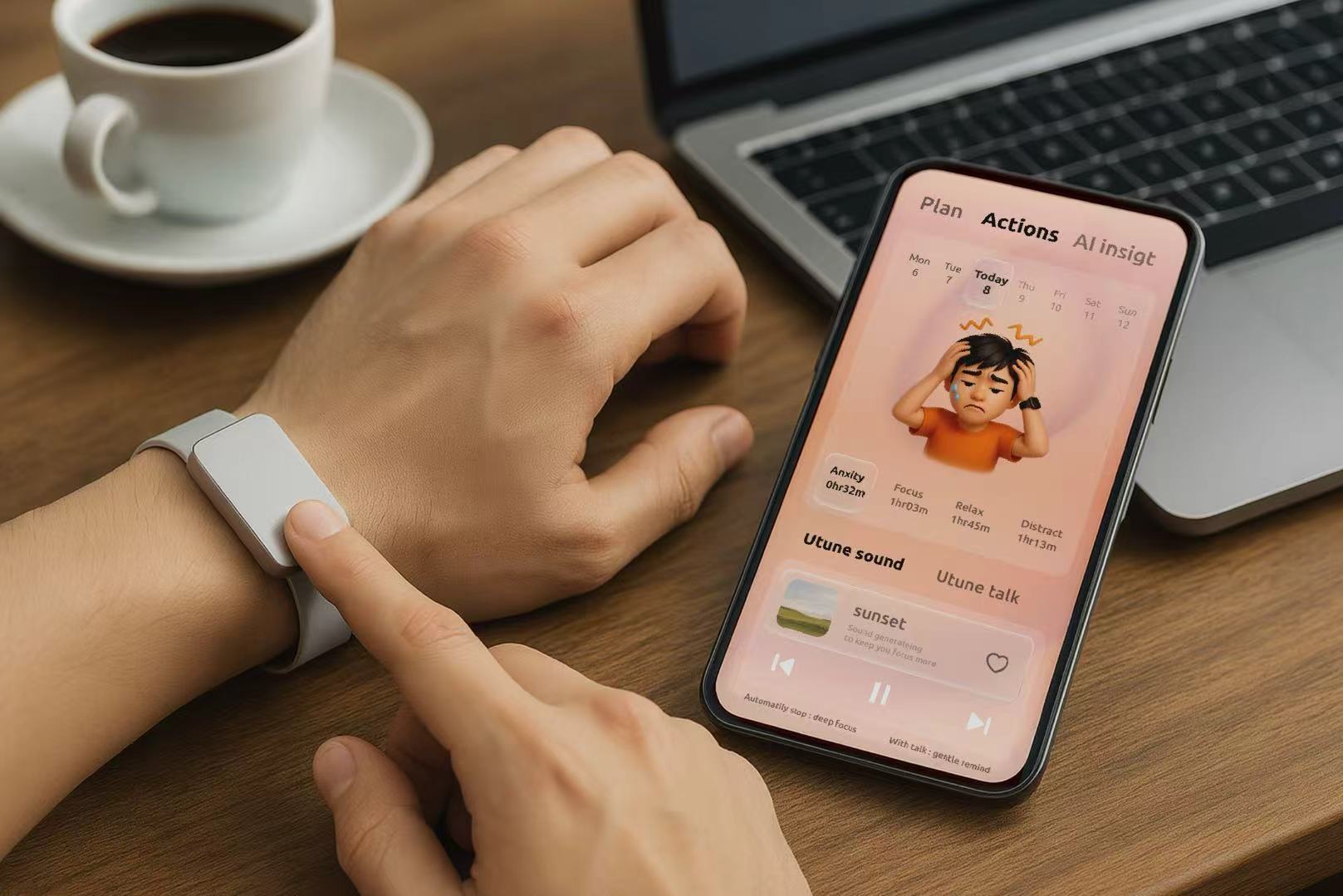
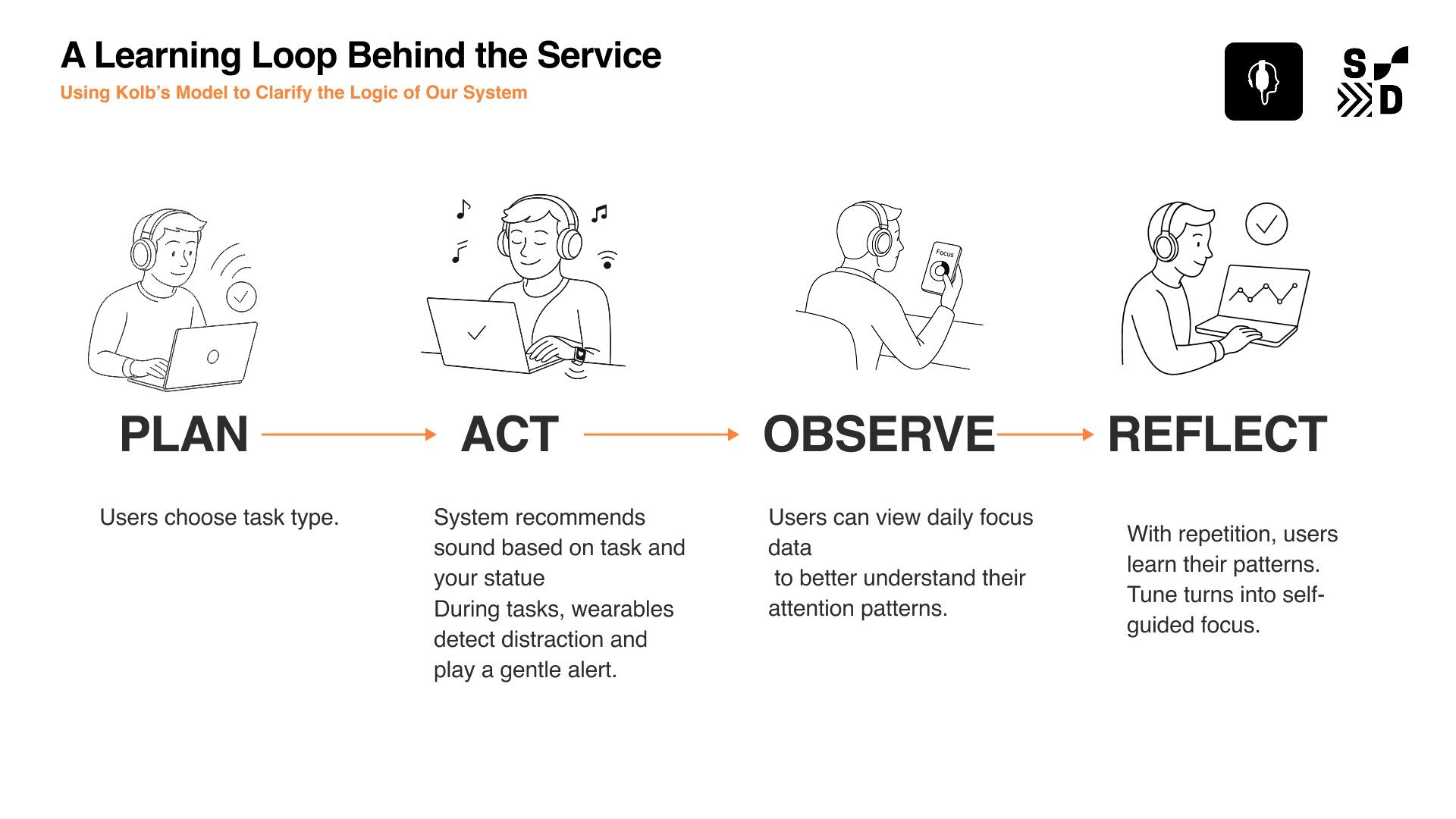
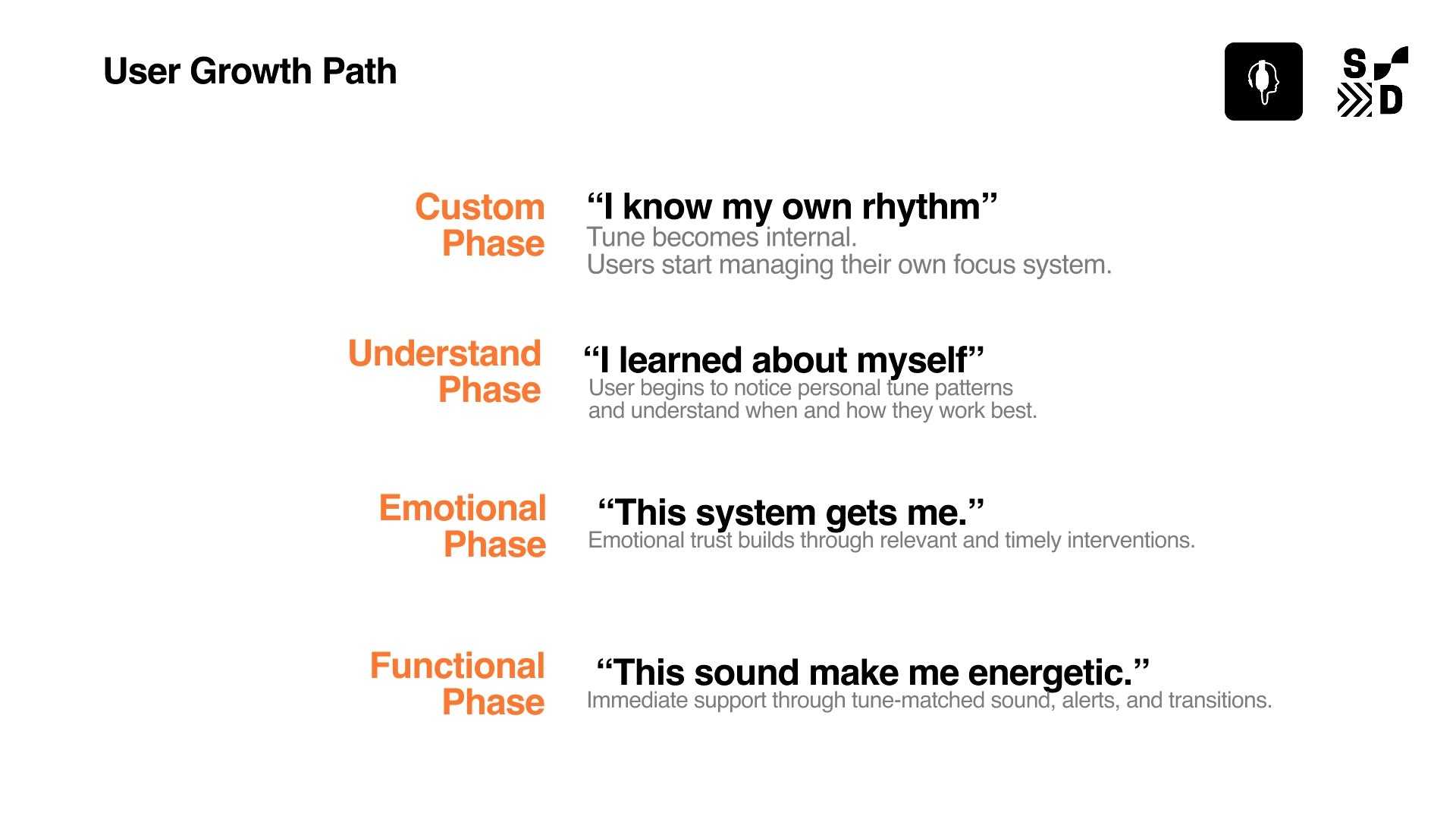
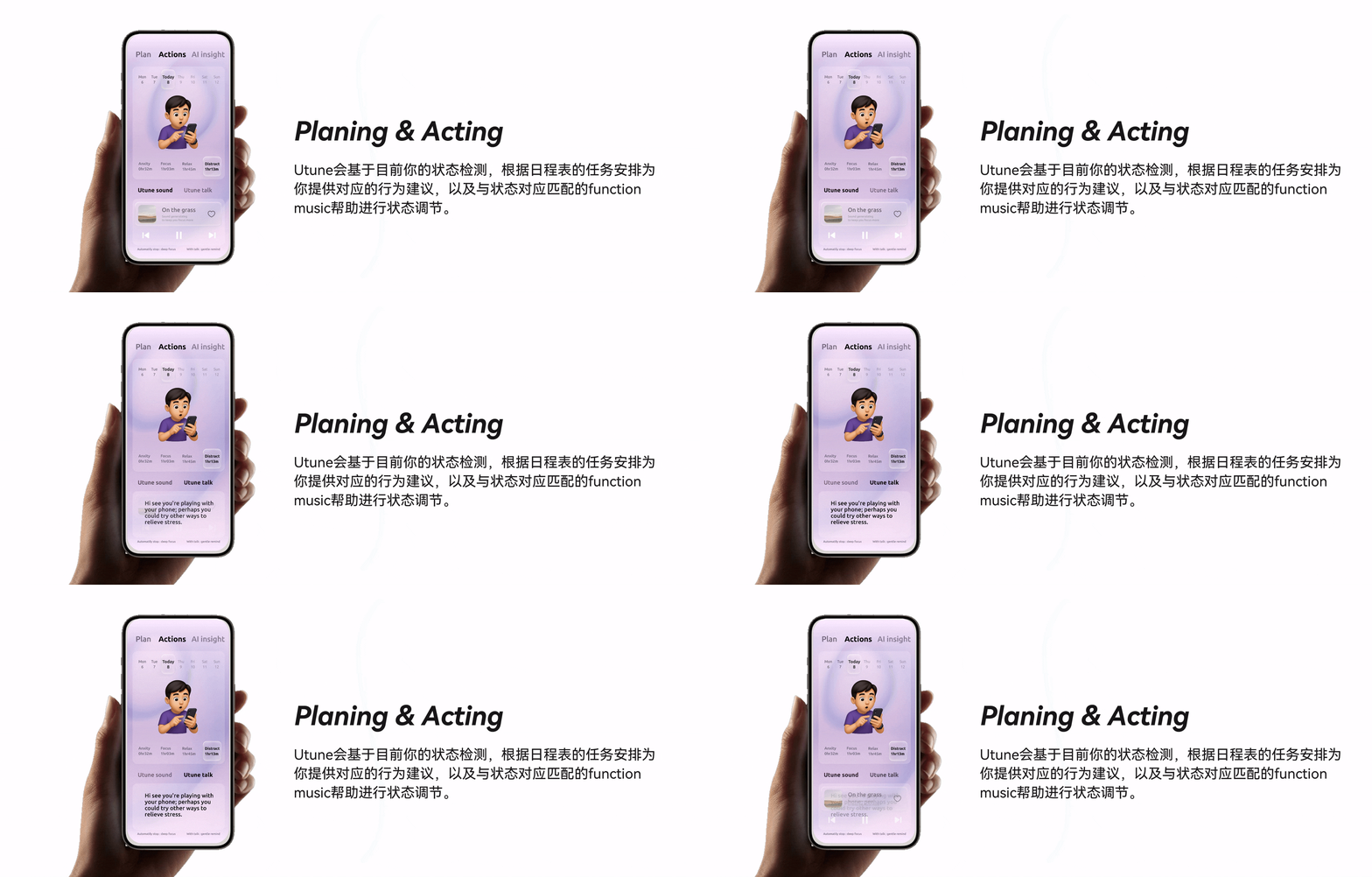
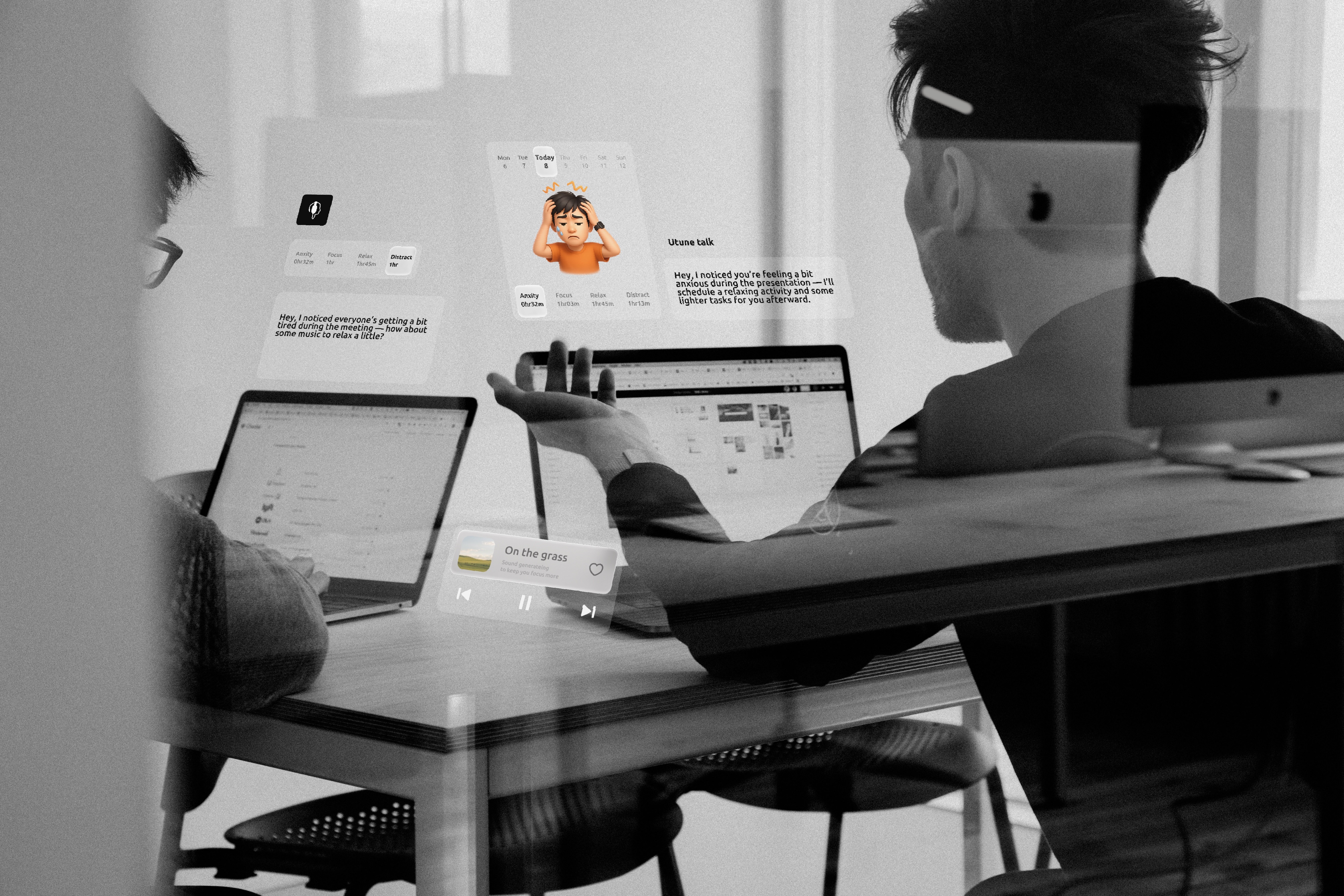
Utune's interaction philosophy follows the behavioural learning cycle of ‘Plan-Do-Observe-Reflect’, while employing intention-driven interaction principles within the sensor language model framework to define, record and intervene in the user's state. Acting as a personal assistant, Utune enables users to gradually familiarise themselves with their own work and study rhythms.
Utune的交互理念遵循“计划-行动-观察-反思”这个行为学习环,同时利用sensor language model框架下的意图驱动交互理念,对用户的状态进行界定与记录并干预,Utune作为个人管家角色让用户逐渐的熟悉自己的工作与学习节奏。
 |  |
Stage 5. Interaction design
 |
 |
 |
 |
Stage 6. Minimum Viable Prototype testing
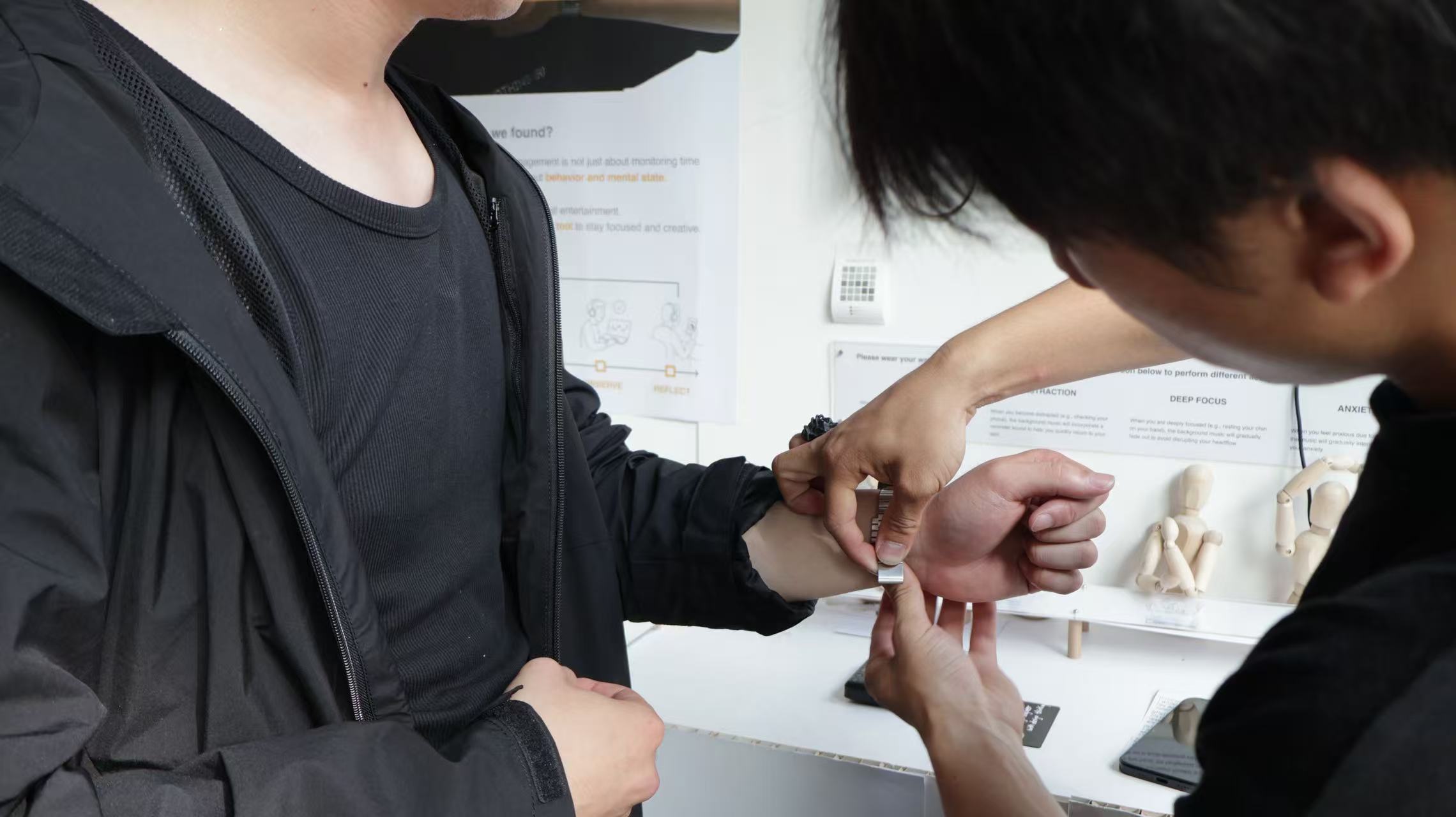
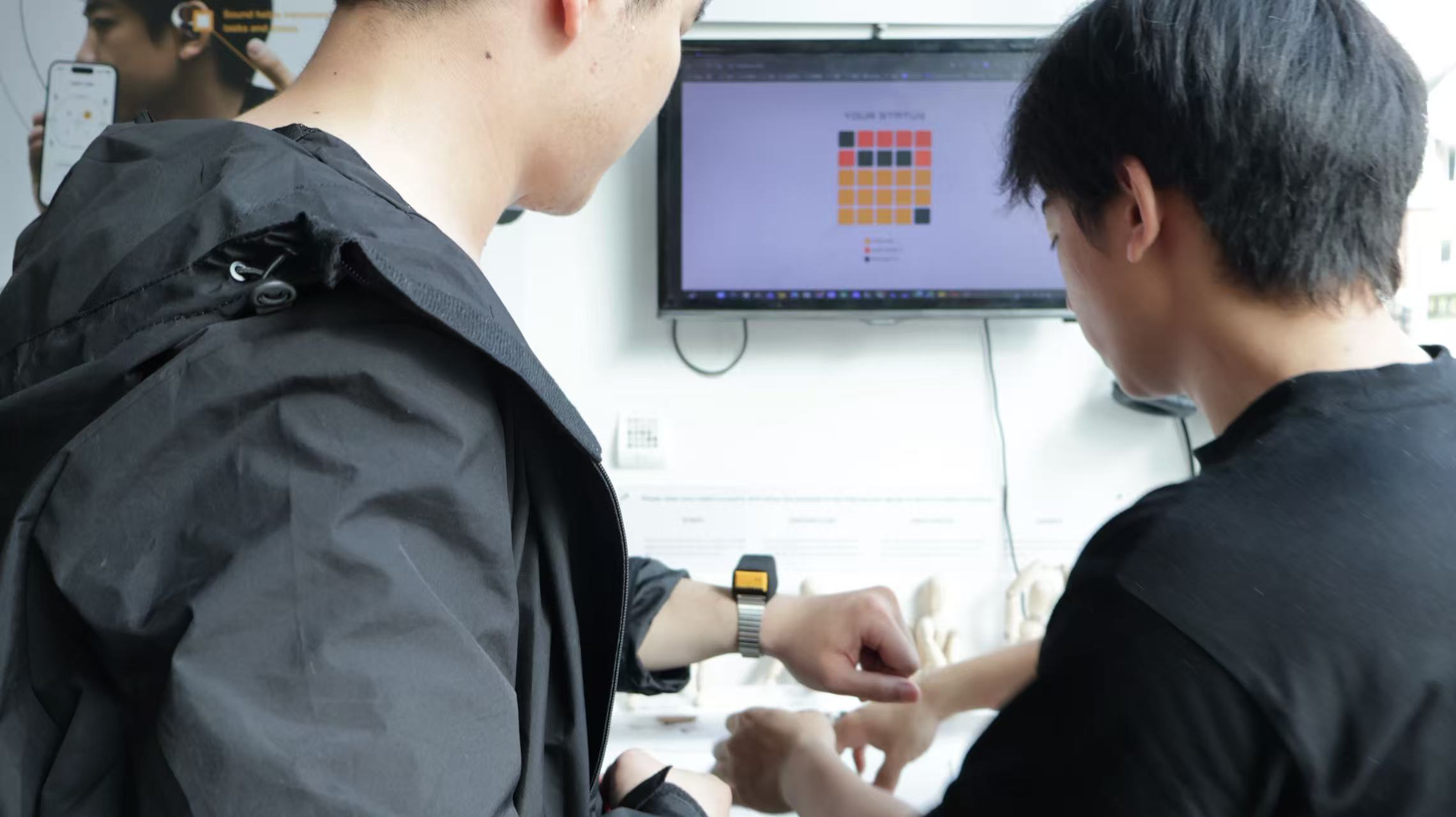
I conducted an early MVP test within a campus setting, using a color-coded interface to visualize users’ real-time states.Red squares indicate distraction, black represents anxiety, and yellow denotes focusing.
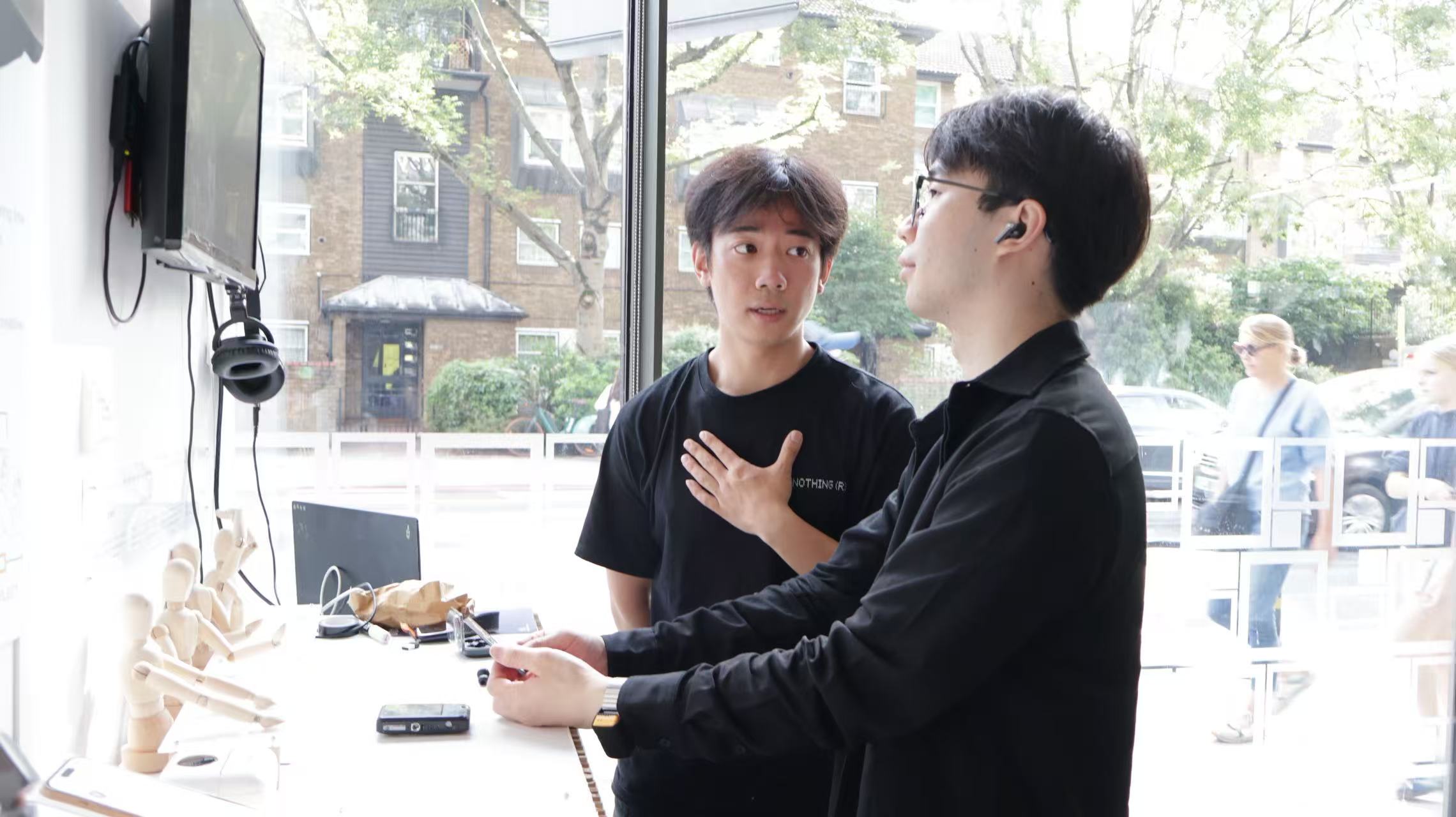
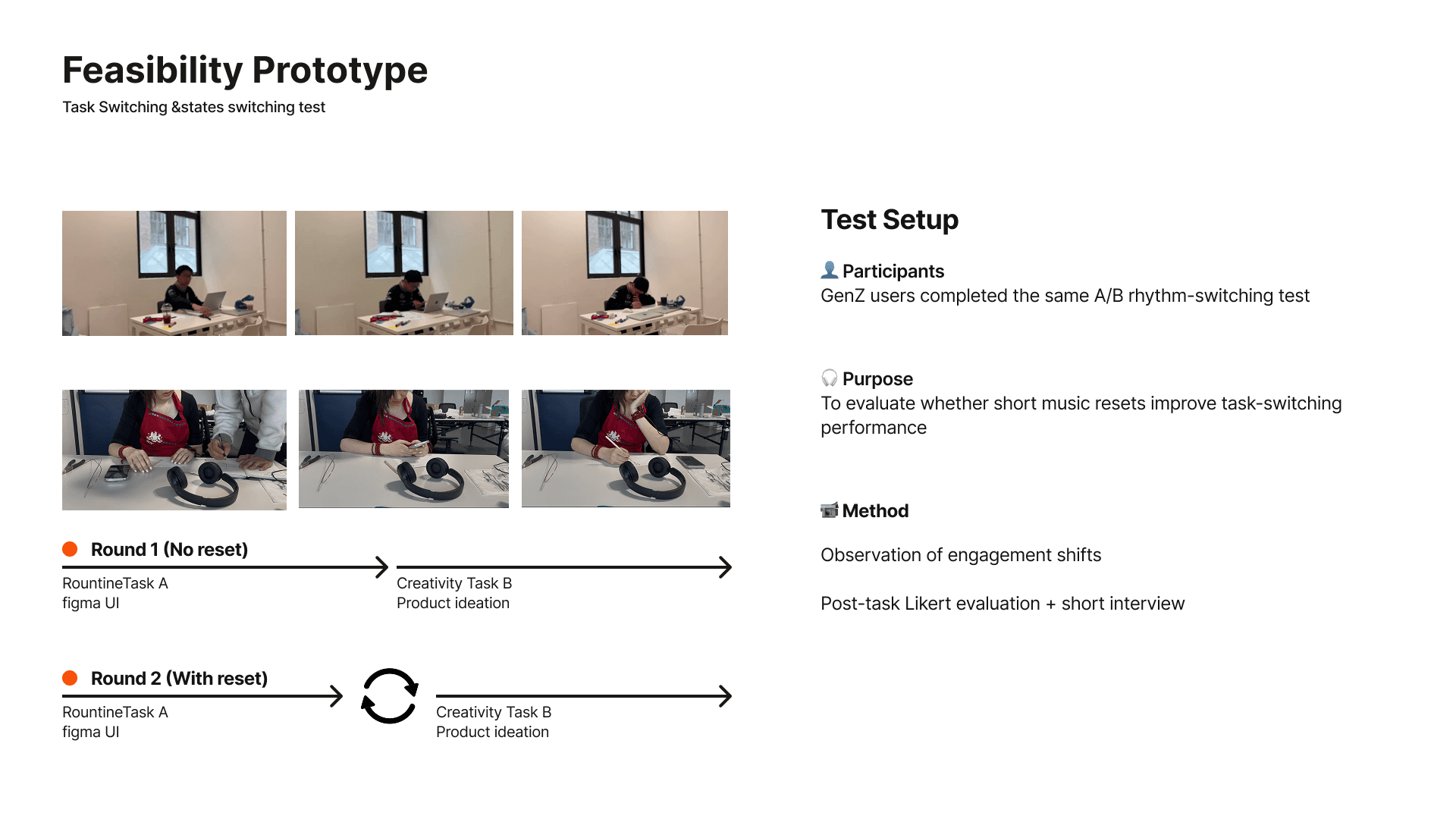
Participants simulated their typical work and study conditions to verify the robustness of the state detection model and explore how willing they were to use adaptive audio feedback for emotional or focus adjustment.
在校园场景中组织用户参与初代 MVP 测试,通过色块界面代表用户的不同状态(红色为走神,黑色为焦虑,黄色为专注)。
参与者根据自身工作或学习状态进行模拟,以验证状态检测模型的通用性,并评估音频反馈在状态调节中的可接受度与使用意愿。
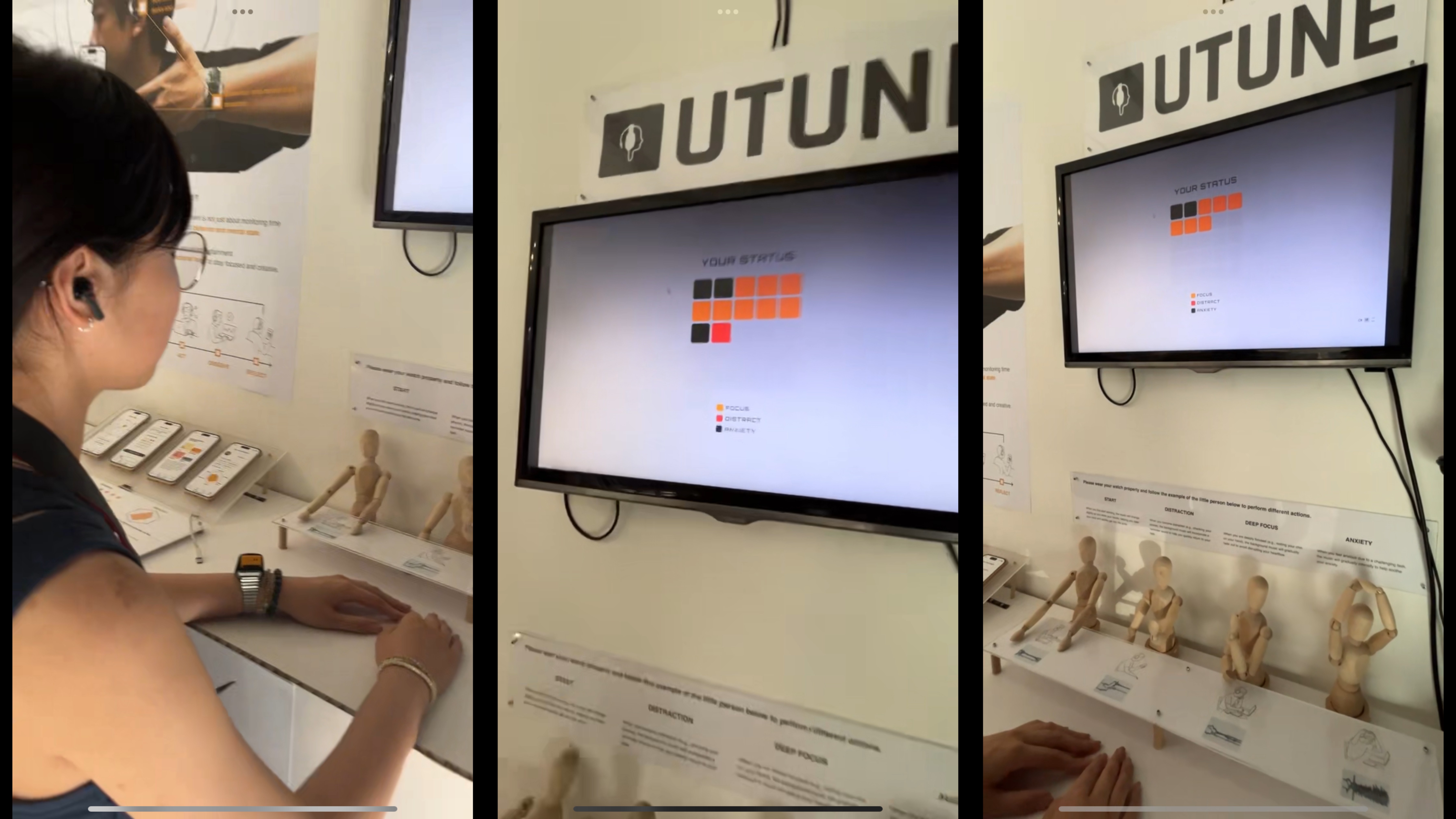
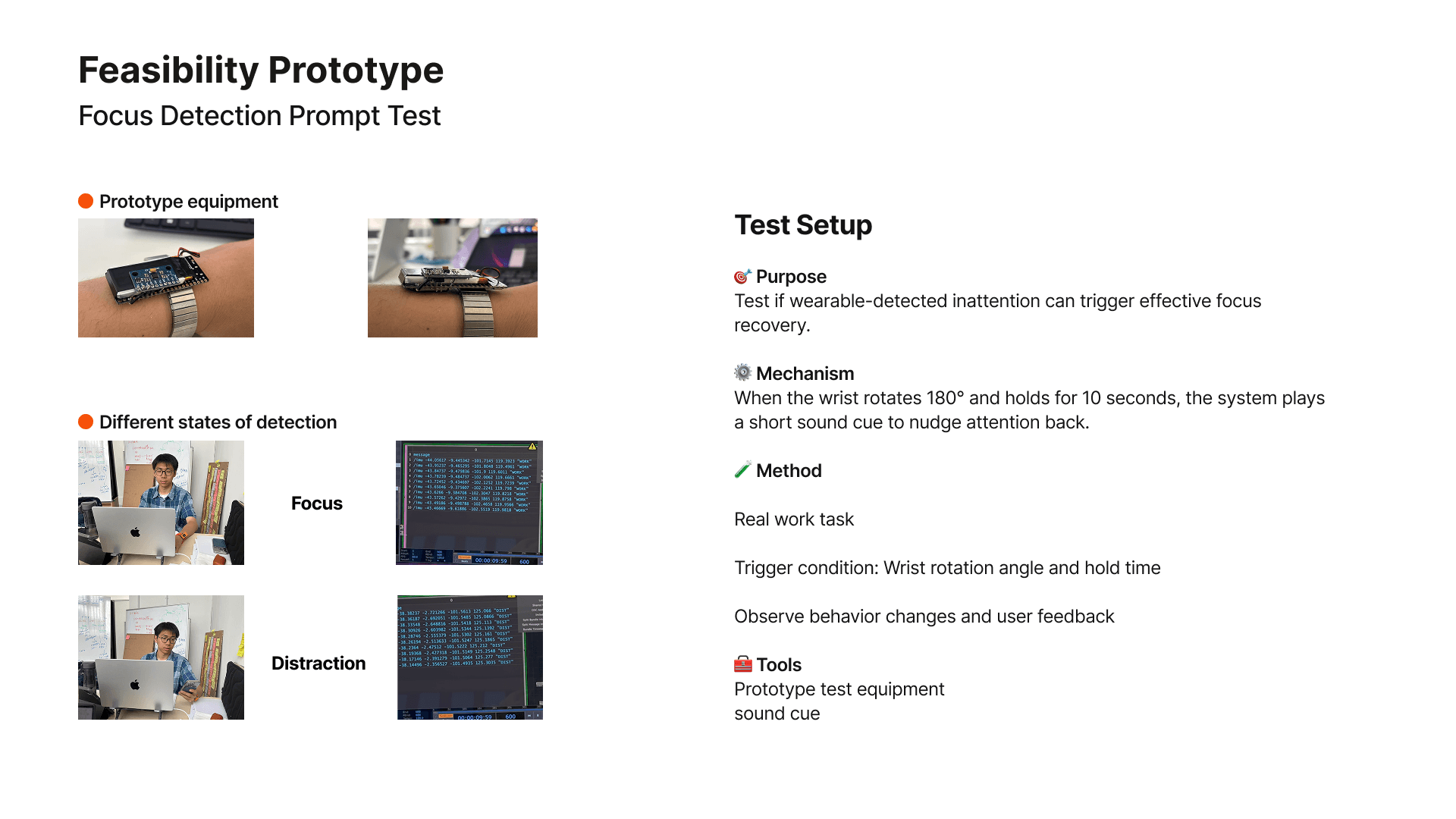
Through on-site research and user feedback, we found that users prefer behavior recognition and tracking mechanisms over simple music-based regulation. Unlike HRV or GSR sensors that only reflect physiological signals, IMU-based AI motion intention recognition adapts more effectively to diverse usage scenarios and provides real-time feedback. When the system detects anxiety-related movements, it can automatically switch the music to a calmer rhythm, enabling a more contextual and responsive state-regulation experience.
通过现场调研与用户反馈,我们发现相比单纯的音乐调节功能,用户更偏好能够识别与记录行为的机制。与 HRV、GSR 等仅反映生理信号的传感方式不同,基于 IMU 的 AI 动作意图识别能够更好地适配多种使用场景,并提供即时反馈。当系统识别到用户出现焦虑动作时,音乐可自动切换至更为舒缓的节奏,实现更具情境感的状态调节体验。
 |  |  |
 |  |
Stage 7. Next step upgrade
UTUNE's design language enables it to seamlessly integrate as a widget within various collaborative office software. As its application scenarios expand, it has the potential to evolve into an entirely new communication and collaboration platform for teamwork and office management.
UTUNE 的设计语言让它能够以 widget 的形式无缝嵌入各类协同办公软件。随着使用场景的拓展,它有潜力在团队协作和办公管理中演化为全新的沟通与协作平台。
Header 1 | Header 2 | Header 3 |
|---|---|---|
Cell 1-1 | Cell 1-2 | Cell 1-3 |
Cell 2-1 | Cell 2-2 | Cell 2-3 |
Stage 8. How it works?
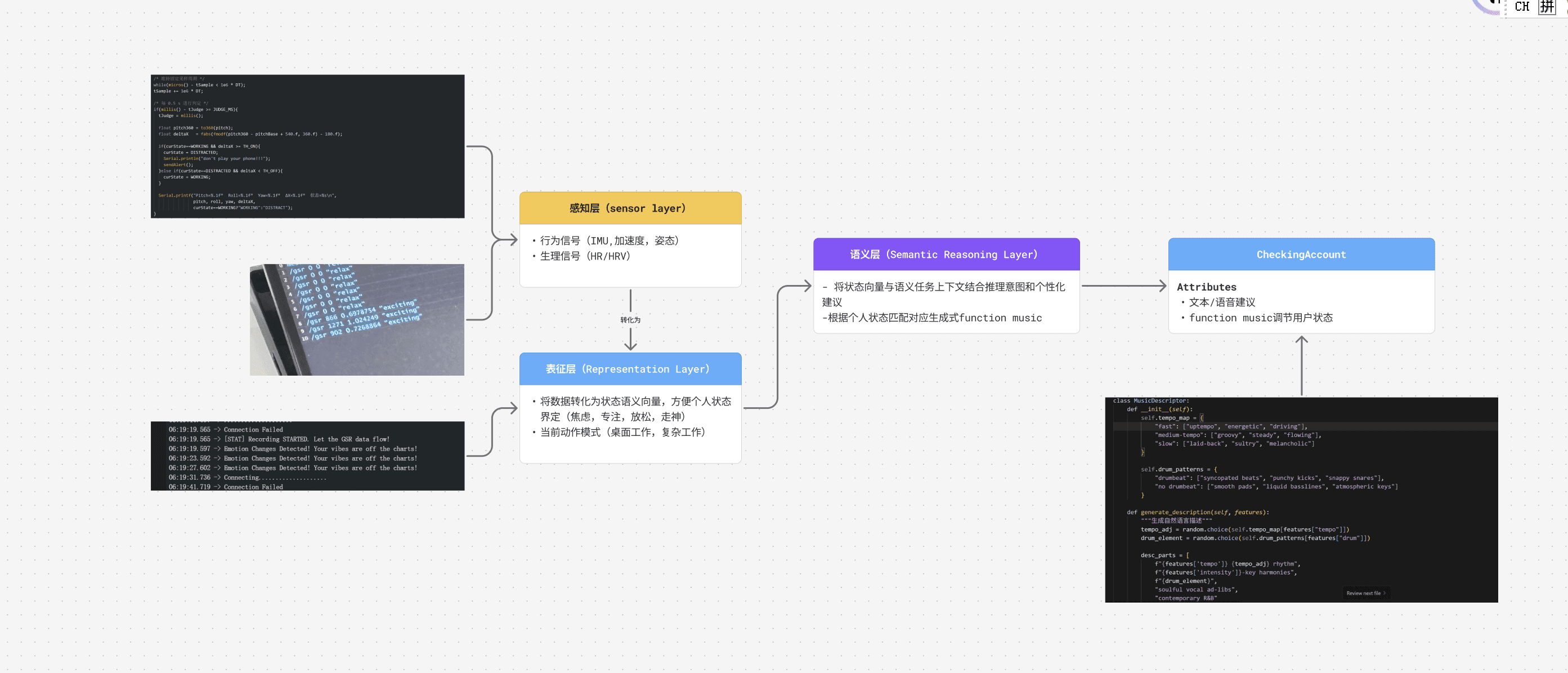
Utune is a project integrating research on sensor language models, with its key focus on avoiding the use of cameras and user privacy data to enable AI monitoring services to operate more sustainably in daily use. For everyday work and life scenarios, it utilises data recorded by the IMU sensor on smartwatches, combining AI analysis of movements in 5-second intervals to help the AI determine the user's current state. This enables the provision of corresponding adjustment recommendations and music playback content.
Utune是一个结合了sensor language model研究内容的项目,其关键点在于避开摄像头以及用户隐私信息的使用,使AI监管服务能够更长的在日常使用.对于日常工作生活场景,利用智能手表上的IMU传感器记录数据,以5s为单位结合AI分析动作,来帮助AI判定用户的目前状态,以提供对应的调整建议和音乐播放内容。
Stage 9. Software Prototype Development
数据采集
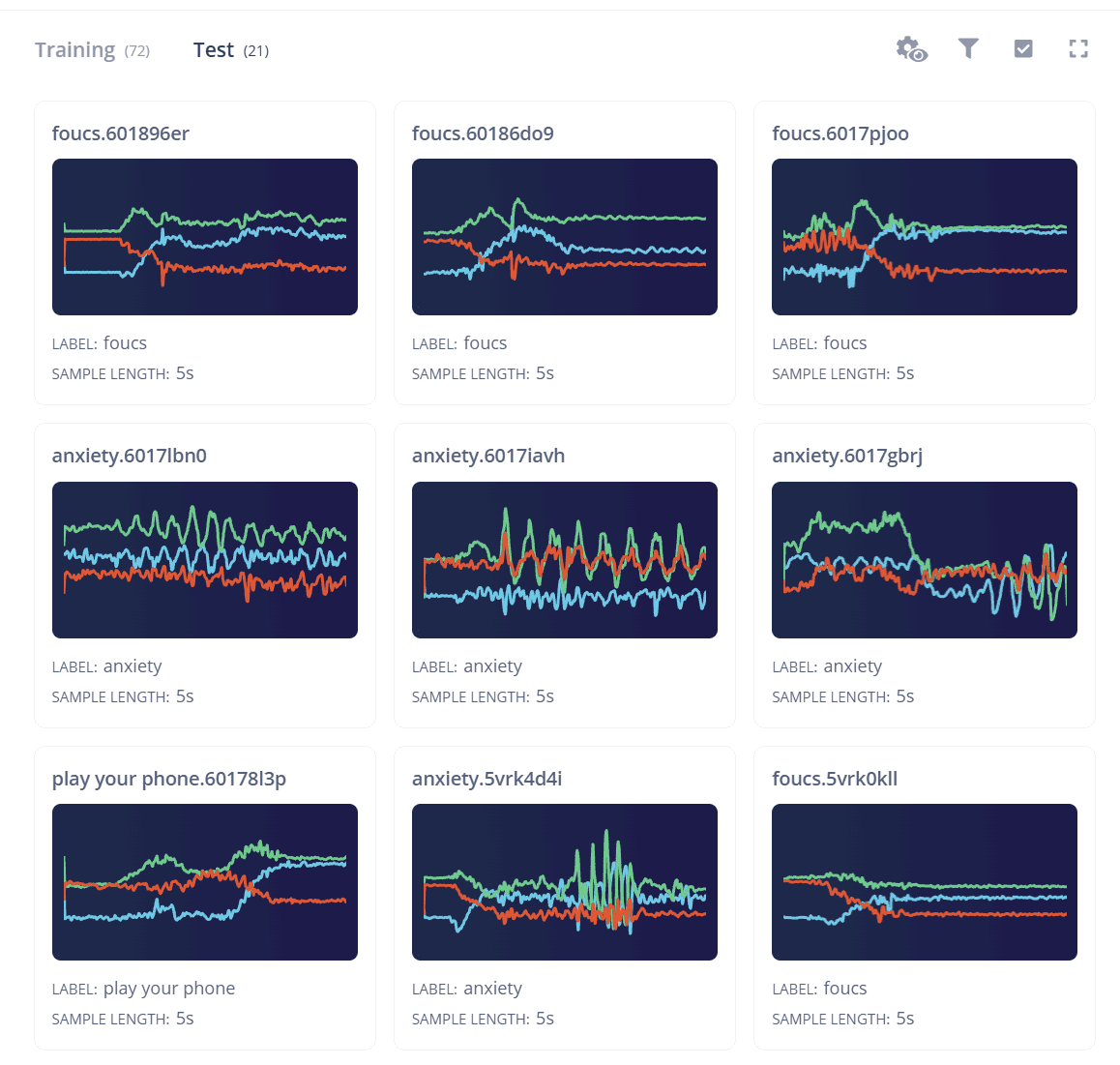
使用 M5StickC 等可穿戴设备内置的 IMU 传感器(加速度计、陀螺仪),在不同情境下(如“工作”“深度专注”“焦虑”“放松”“玩手机”)采集用户动作的 时序序列数据。数据通过 Edge Impulse 平台上传和管理,并建立与标签化场景对应的训练样本集。
Dataset | Classifier |
|---|---|
 |  |
模型训练与优化
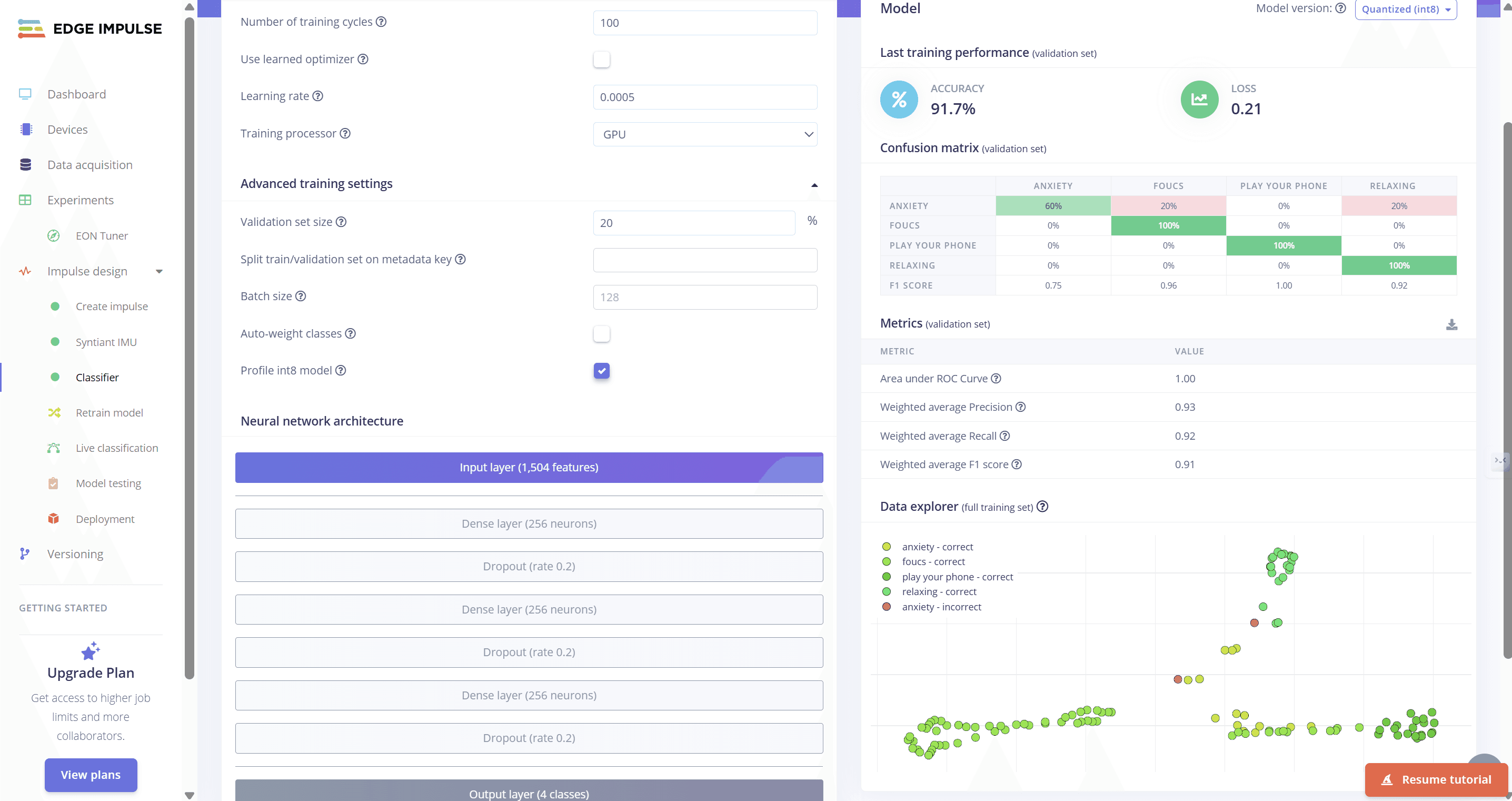
在 Edge Impulse 平台上构建并训练 时序分类模型(例如基于 CNN + LSTM 的混合架构)。模型通过反复迭代训练,优化分类准确率,并在验证集上测试区分不同场景的表现。
多模态交互输出
推理结果通过 WebSocket/OSC 协议发送至 TouchDesigner以及网页端交互界面,触发音乐生成或视觉反馈。用户的实时状态(专注、焦虑、放松等)被映射为不同的音效或动态视觉场景,形成“行为—音乐—视觉”的闭环体验。
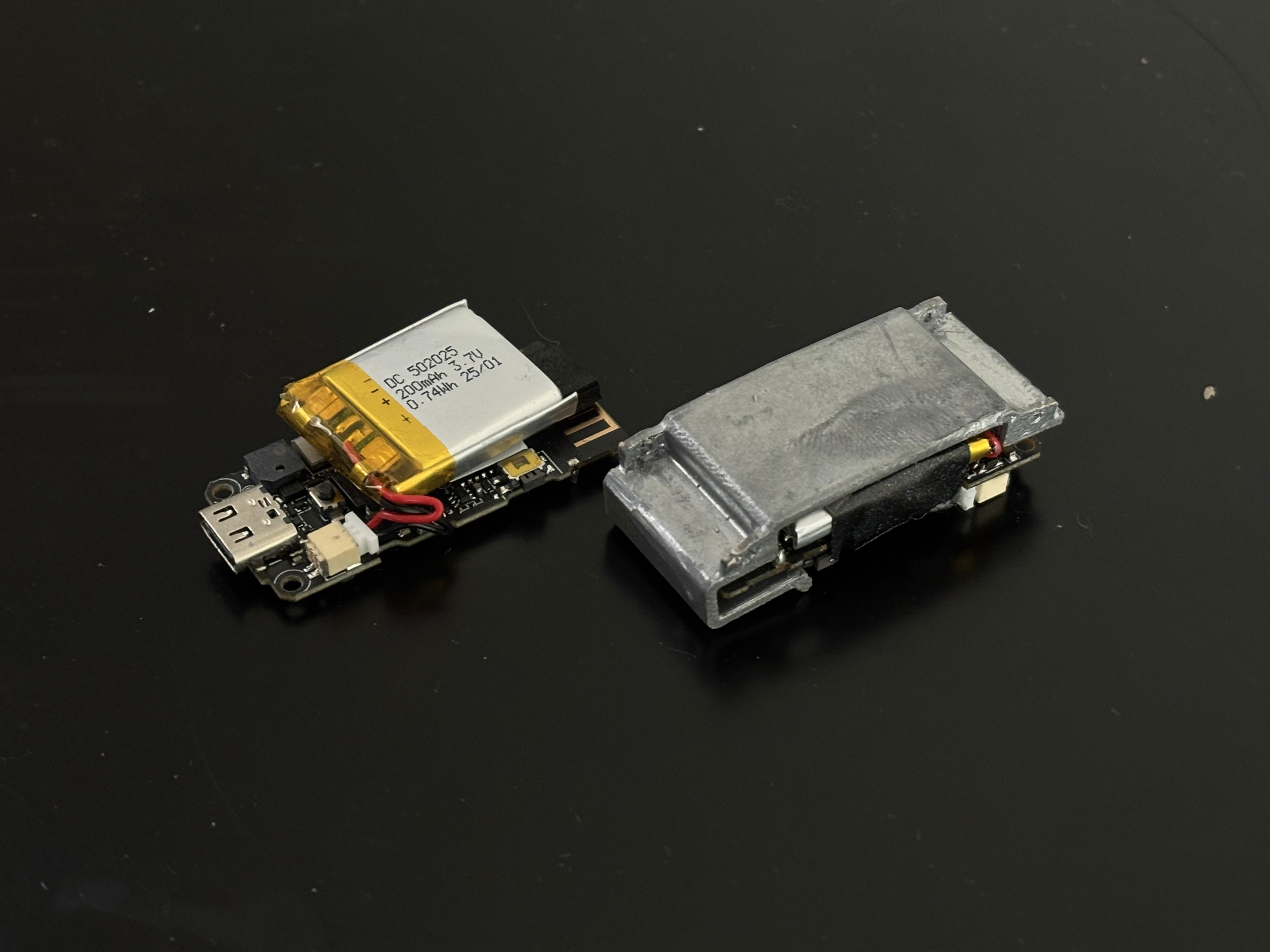
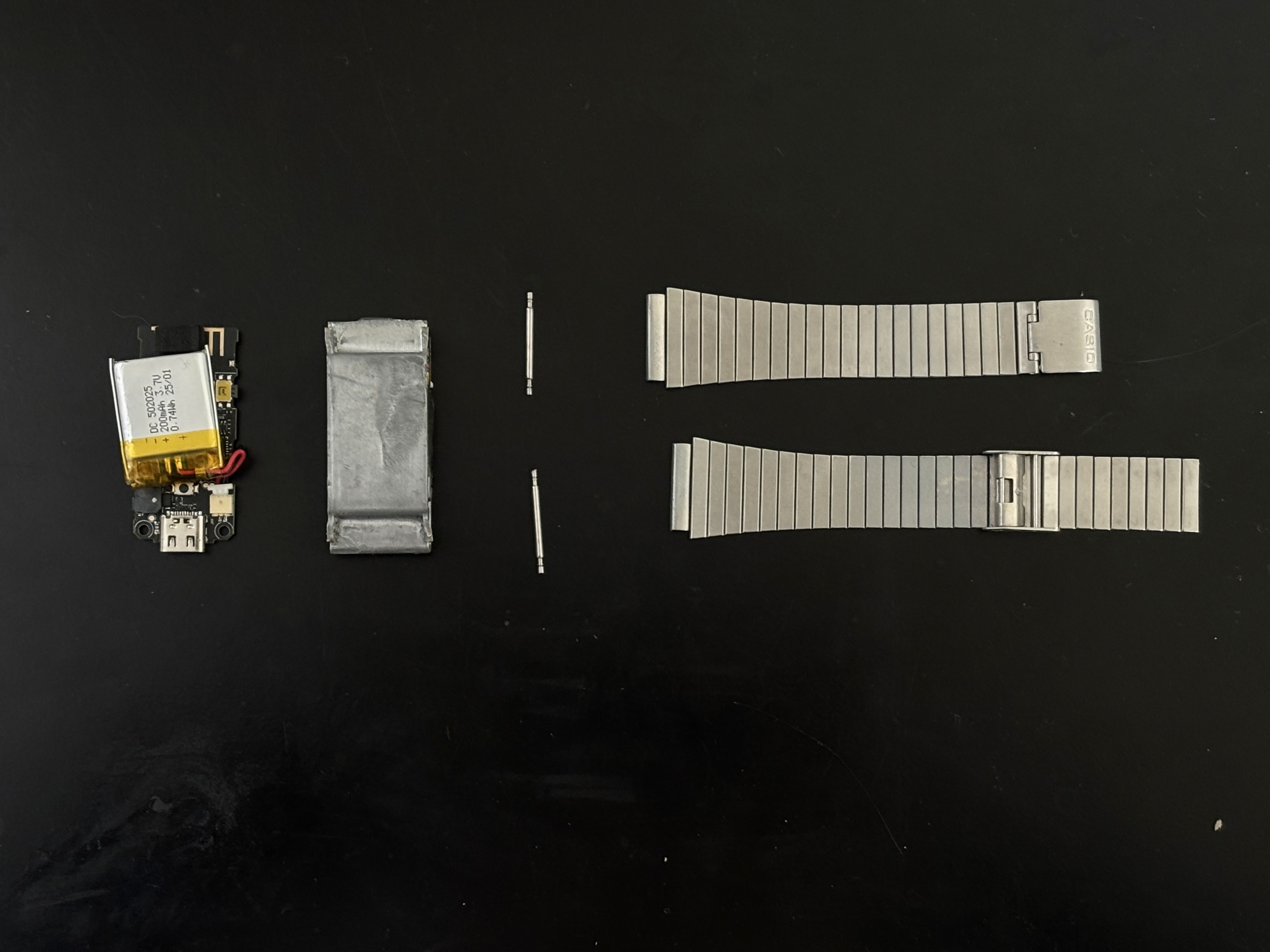
Stage 10. Physical Prototype Development
Other projects
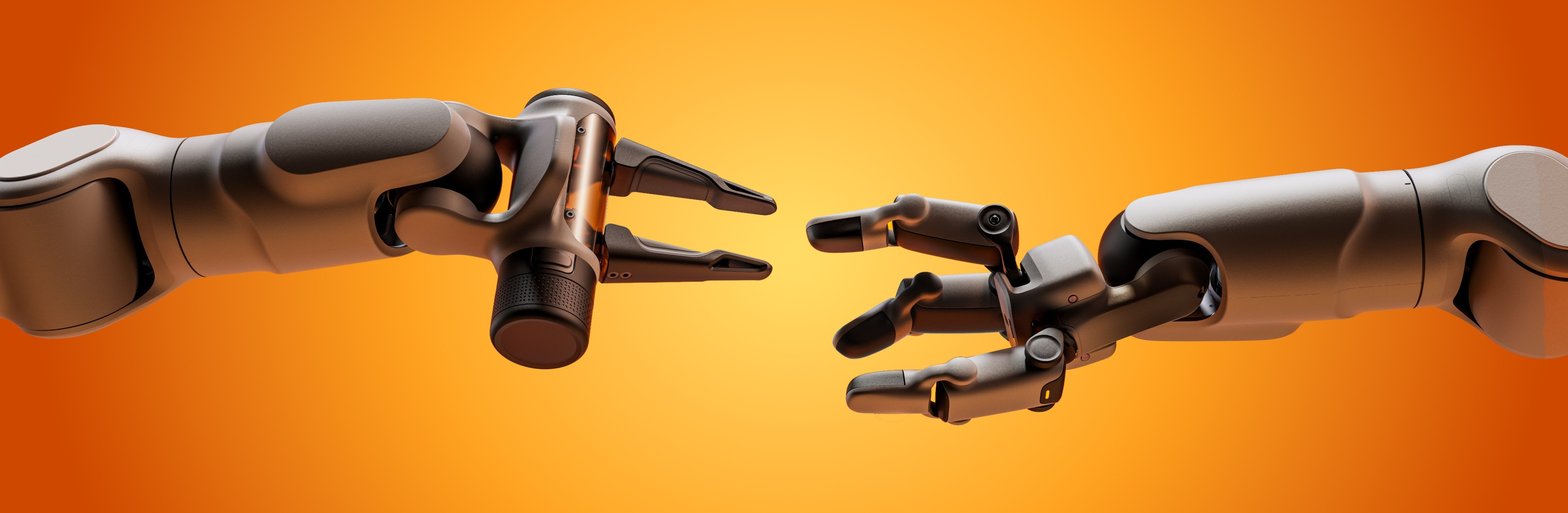
AGIBOT G2air(COMING SOON)
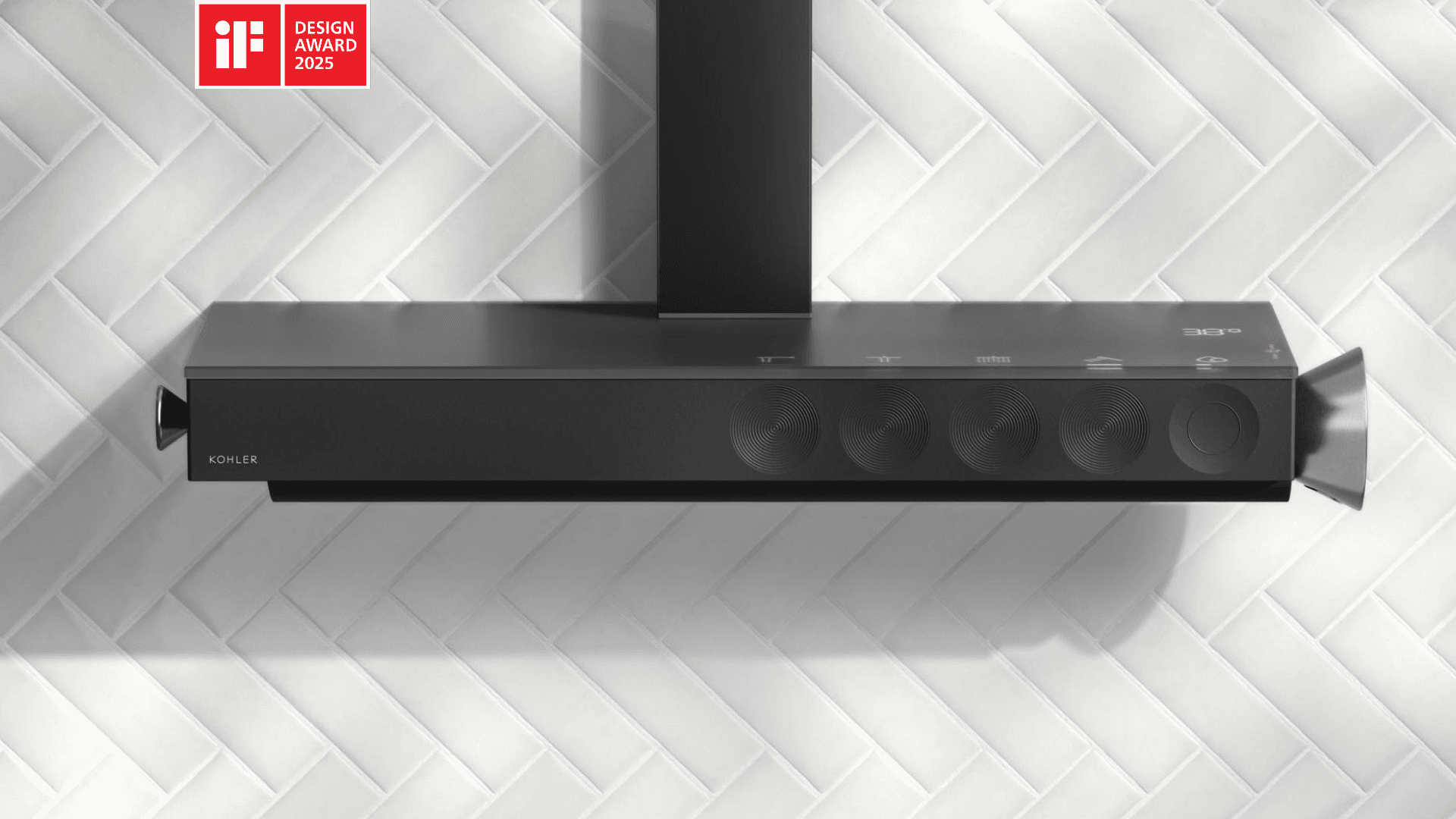
Urbanity+ Smart Shower Table
Internship project:remote control eco system
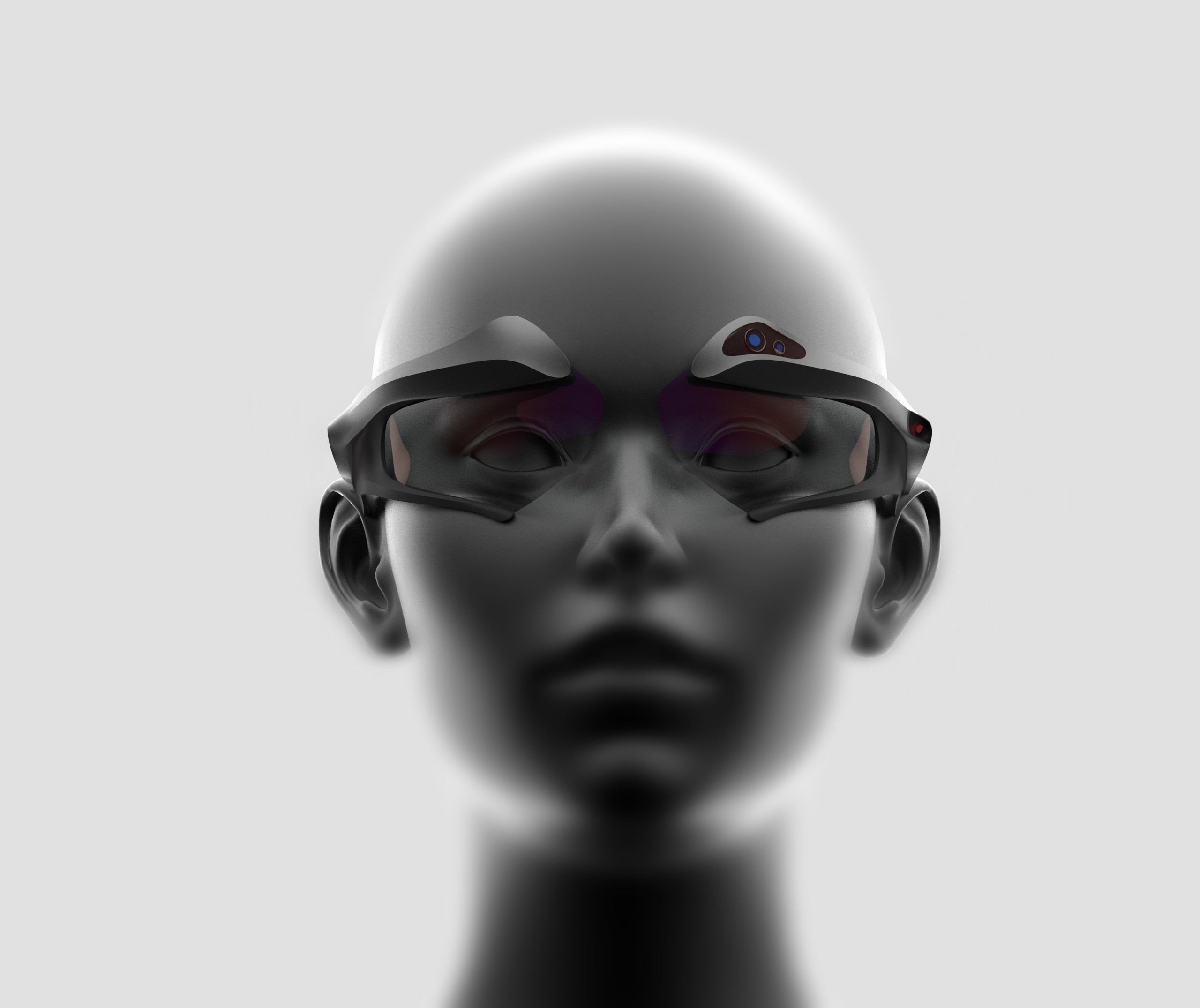
Hue OS AR
what kinds of experiences or interactions can only be realized through AR glasses?
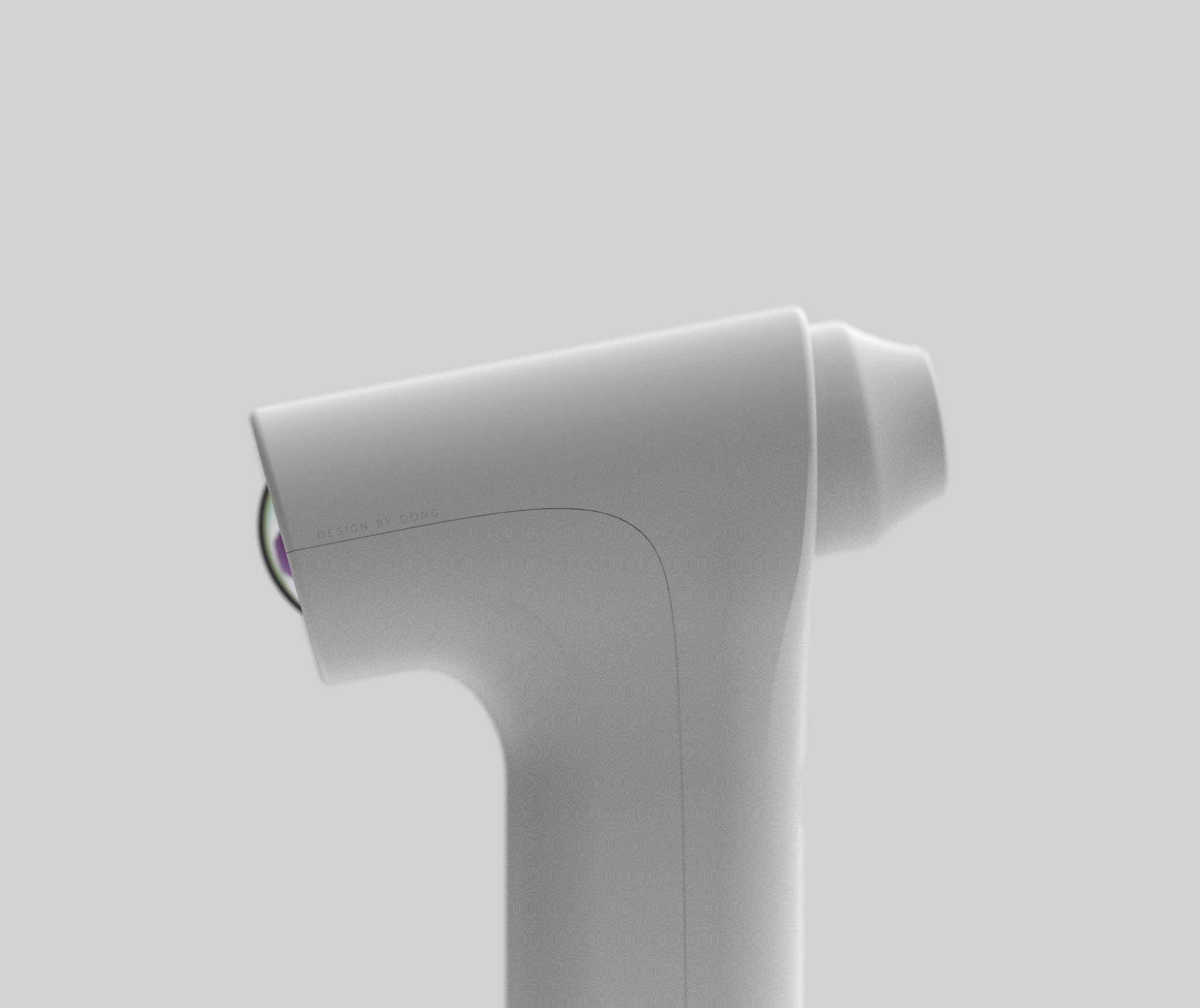
PLUMA
Invisible barrier between you and bacteria in outdoor settings
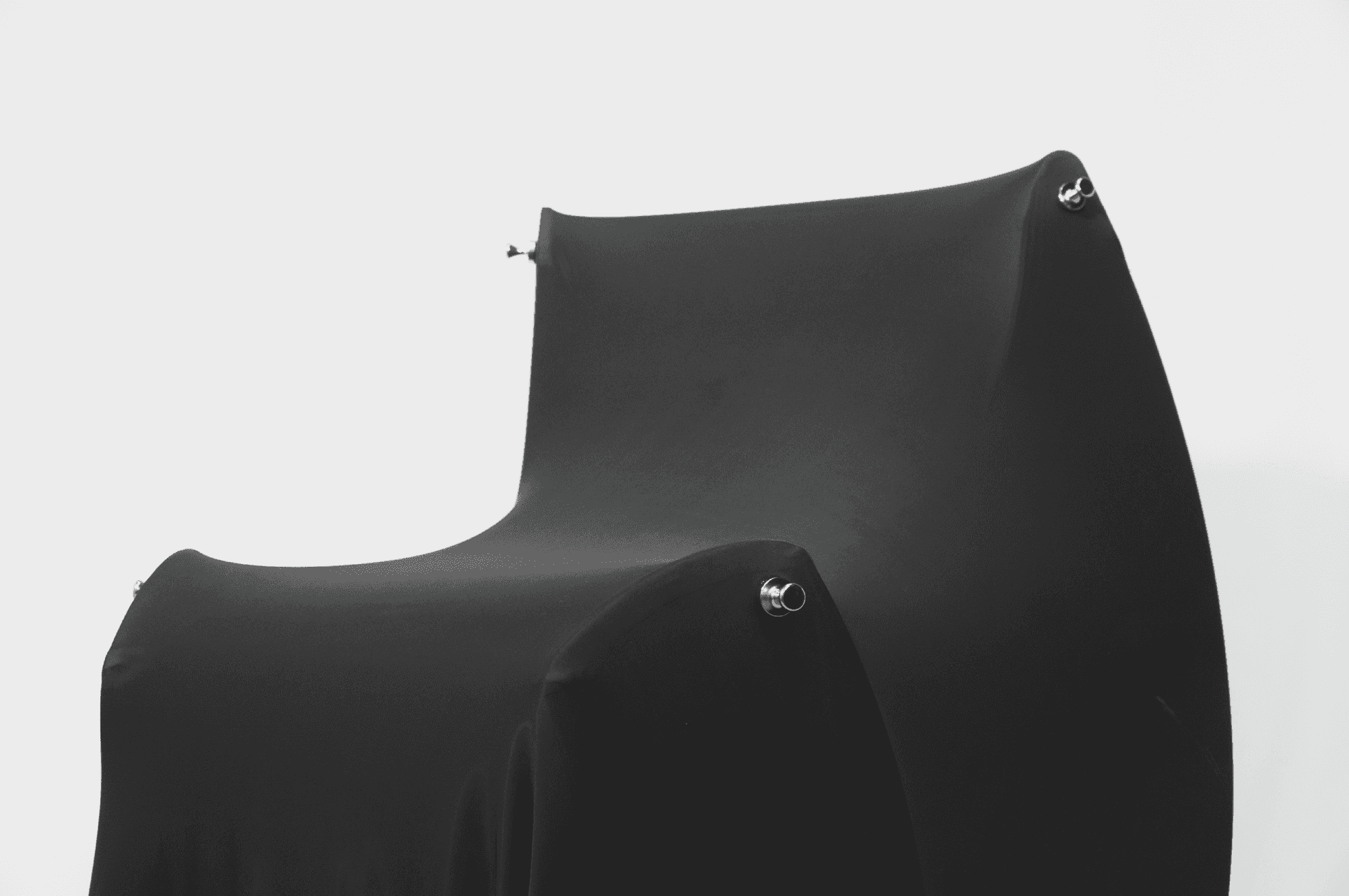
suzao chair
Adaptive seat form

shower with light(NDA)
Internship project:shower with light
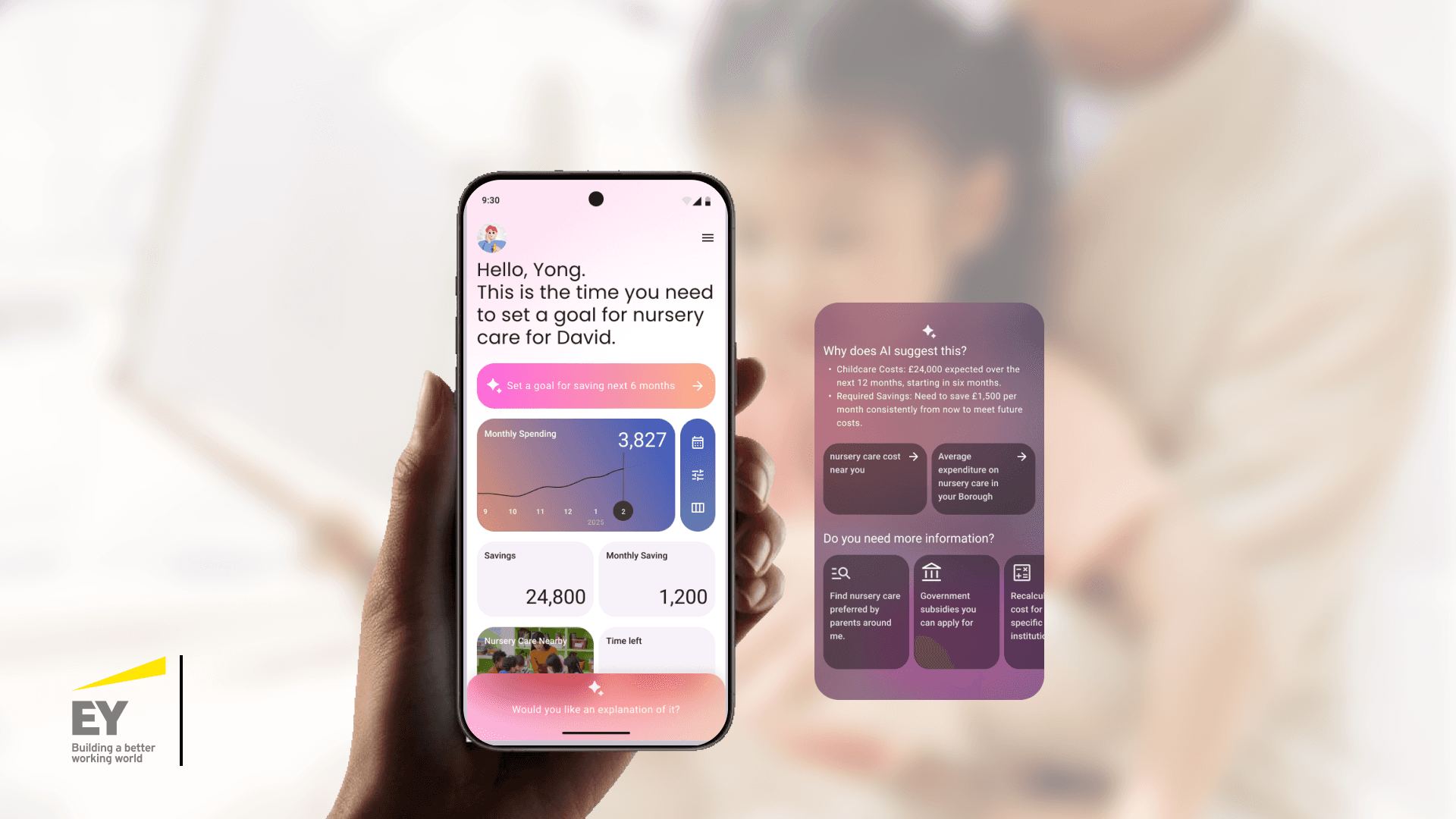
Finance AI chat bot for EY
Bridge the emotional gap between AI chatbots and users